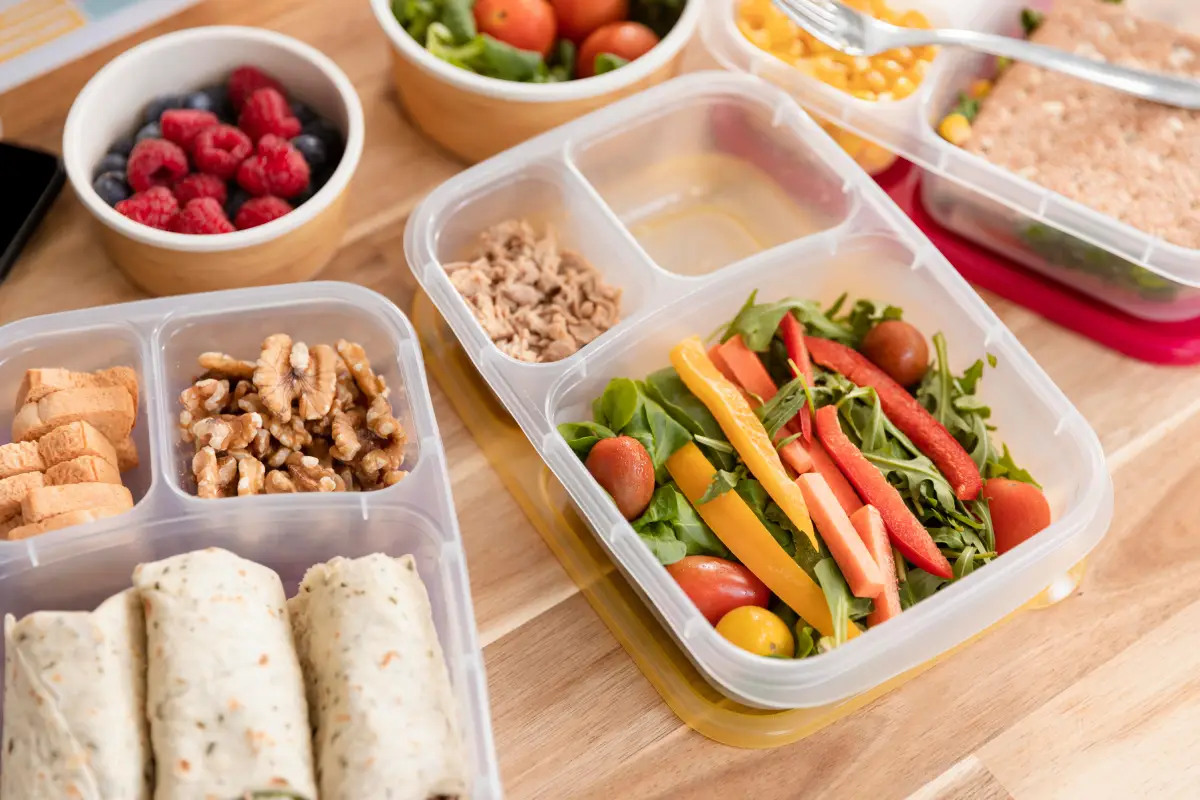
Food packaging is critically important for hygiene, shelf life, and logistical efficiency. At Packmaster, we focus on reducing environmental impact in a measurable way while maintaining product performance. At the heart of this approach is our preference for Polypropylene (PP): PP’s suitability for mono-material design, its lightweighting potential due to low density, its compatibility with microwave/hot scenarios, and its recyclability—when correctly specified—strengthen our sustainability goals.
The Goal of Sustainability
Sustainability aims to systematically reduce energy use, scrap/waste, emissions, and material consumption while protecting food safety and quality. We make this permanent through end-to-end management, from product design to supply and logistics.
PP-Focused Material Strategy: Mono-Material, Design for Recyclability
We design our products with a mono-PP approach to support entry into recycling streams. In labels, adhesives, and pigments, we prefer options that facilitate sorting; where appropriate, we support circularity by using PCR-PP on suitable product lines. We guide consumers with the RIC #5 mark and clear sorting instructions.
Reduction: Lightweighting and the Right Performance Threshold
Thanks to PP’s low density, we can reduce part weight while maintaining target strength and seal integrity. Beyond material savings, this delivers carbon and cost advantages in transportation and storage. In design, we preserve performance through anti-fog/vent options and precise lid–container tolerances.
Alternative Materials: Correct Positioning with Conditions
Biodegradable/compostable options are valuable in specific scenarios; however, they often require industrial composting infrastructure and may not be collected by every municipality. Therefore, our priority is mono-PP design and lightweighting compatible with widespread infrastructure. In markets with suitable systems, we support PCR-PP and separate collection models.
Consumer Education and Awareness
We provide informative content on packaging via RIC #5 (PP), sorting icons, and QR codes. By clarifying post-use steps, we aim to increase recycling participation.
Legal Compliance and Food Safety
Our products are supported by a Declaration of Conformity (DoC) documenting food-contact compliance and accredited migration/sensory test reports. Good manufacturing practices and traceability are embedded in a culture of continuous improvement in quality and safety.
Operations and Logistics: Reducing Impact Through Efficiency
We reduce both cost and carbon footprint through standardized casing/palletization (TiHi) and stacking efficiency. From the start, we lower operational risks with nesting/denesting performance and in-process quality controls (e.g., leak tests, drop/stack strength).
Measurable Goals and Reporting
We manage sustainability with metrics and periodic reviews:
- Annual reduction targets for energy intensity (kWh/kg) and scrap rate (%)
- PCR-PP rate (%) on suitable lines
- Case/pallet fill rate and logistical CO₂e (kg/pallet)
- Customer complaint/rejection rate (ppm)
Conclusion: Balanced and Practical Sustainability with PP
With the right design and usage conditions, PP offers a strong balance of performance, cost, and environmental impact in food packaging. At Packmaster, we operationalize sustainability through mono-PP design, lightweighting, the use of PCR-PP on suitable lines, seal integrity and display performance (anti-fog/vent), and logistical efficiency. Our goal is to enable circularity in real operating conditions without compromising food safety and customer satisfaction—and to improve continuously with measurable data.