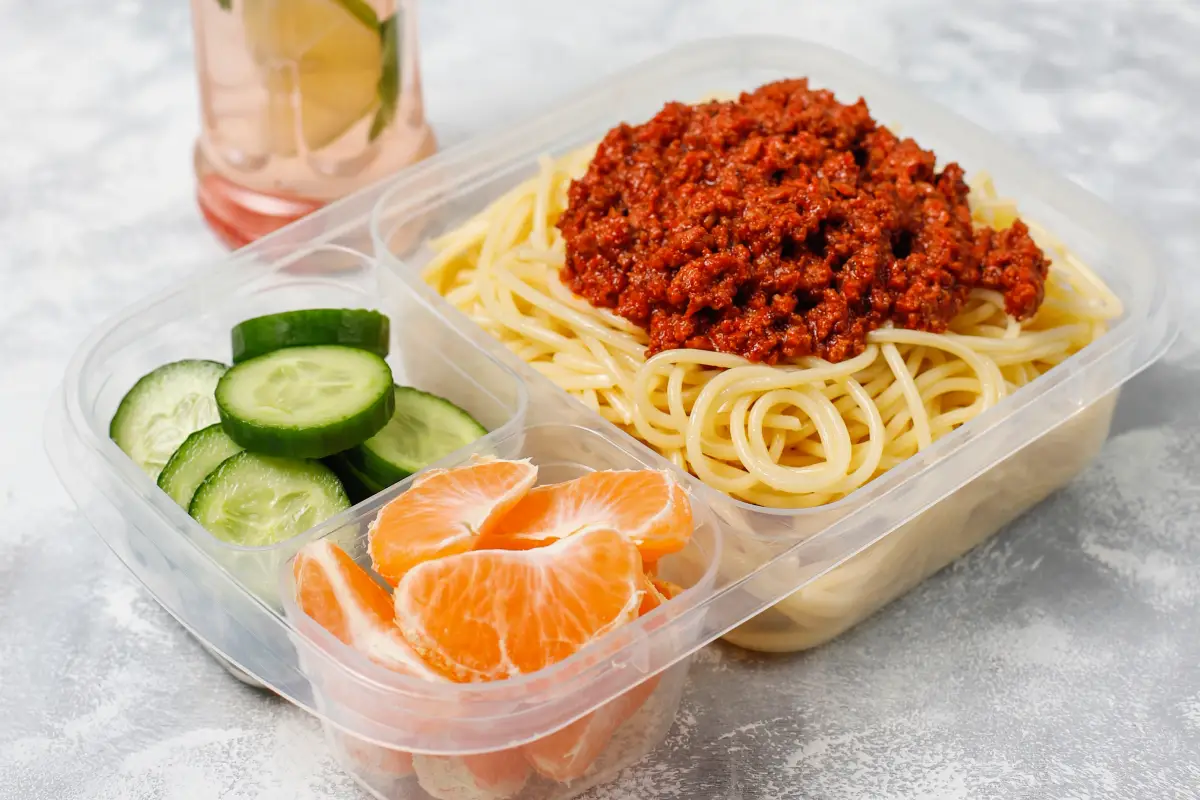
In hot food service, first impression is as crucial as product quality. Condensation (fogging) on the inner lid surface reduces visibility and negatively affects appetite appeal and trust. Packmaster controls this effect with anti-fog solutions and vent design in PP (Polypropylene)-based lid–container systems.
Why does fog form?
Moisture from a hot product condenses on the inner lid surface in an enclosed space. With a high contact angle, water accumulates as many small droplets, blurring the view.
How does anti-fog work?
Anti-fog coatings create a hydrophilic surface, lowering the contact angle so droplets merge and spread into a thin, transparent film. The contents remain clearly visible. Solutions fall into two categories:
- Surface coating: Applied to the lid/sheet surface; delivers high optical quality. Service life and durability depend on the application process.
- Additive (masterbatch): Added into the material matrix; offers processing ease. Depending on type/dosage, limited blooming may occur; visual quality, label/print compatibility, and food contact must be tested.
PP advantage: Suitable PP grades offer resistance to microwave/heat; single-piece construction and secure lock with integral (living) hinge lids; entry into recycling through mono-PP design (RIC #5). An anti-fog coated PP lid + PP container is effective for hot service and delivery.
The right balance with venting
Alongside anti-fog, micro vents help excess moisture escape. They reduce fogging and increase visibility during delivery; in hot display cases, venting must be balanced with heat retention. Proper vent placement (lid apex, steam path) enhances performance.
Tangible benefits for your business
- Better visibility → higher conversion: Clear presentation for online images and store displays.
- Customer trust and satisfaction: The product looks “as expected” at the moment of delivery.
- Brand perception: Signals a brand that cares about hygiene, detail, and presentation.
How do we verify performance?
- Visual “fog test”: Hot-fill and delivery simulation under defined temperature/humidity profiles.
- Optical quality: Haze and clarity measurements.
- Usage cycles: Microwave heating/heat-lamp cycles; impact of oil vapor and condensate.
- Seal integrity: Seal strength, leak/tilt; lock tolerance in hinged lids.
- Compliance: Food contact Declaration of Conformity (DoC), accredited migration and sensory tests; NIAS risk assessment (EU 1935/2004, EU 10/2011, 2023/2006 GMP / US 21 CFR/FCN).
Sustainability and system compatibility
- Mono-PP design: Anti-fog lids and labels chosen for NIR sorting compatibility; dark pigments avoided.
- Lightweighting + TiHi: Lower weight and logistical CO₂ via PP’s low density; optimized stacking/pallet efficiency.
- PCR-PP (on suitable lines): Circularity supported in applicable product groups.
Which combination for which scenario?
- Delivery/Hot service: Anti-fog lid + micro vent + hinged PP container (with leak-proof lock tolerance).
- Hot display/Heat lamp: High-performance anti-fog coating, controlled vent; balanced heat retention and visibility.
- Microwave reheating: Suitable PP grade and lid design with steam vent points.
Conclusion
Fog is an inevitable physical process in hot meal presentation, yet it is controllable with anti-fog + proper venting + PP-focused design. Packmaster validates the right anti-fog solution for your application with samples and a test protocol, ensuring visual presentation and customer experience.